
- New CAPE Functionality: U.S. Customs and Border Protection (CBP) is introducing a new functionality called CAPE within the Automated Commercial Environment (ACE) to manage IEEPA refund claims efficiently.
- ACE Account Required: Importers must have an active ACE account to participate. CBP has reported that CAPE is currently 45% complete.
- Accurate Submissions: The system requires a complete and accurate listing of all IEEPA-affected entries. CBP will audit submissions for accuracy and validate compliance with Section 232, AD/CVD, valuation, and origin declarations.
- Until CAPE is fully operational (and potentially afterward), importers should continue to monitor entry liquidations.
- Consider filing protests for entries approaching the end of the 180-day protest period.
- Refund eligibility has been expanded to include IEEPA tariffs on imports from Brazil (40%) and India (25% Russian oil tariffs).
As tariff and global trade conditions continue to evolve, we’re gathering customer insights to better understand the impact and how we can best support you.
CBP continues to enhance the Automated Commercial Environment (ACE), with increased automation and data validation tools expected to play a central role in future compliance processes.
These ongoing improvements are designed to support more accurate filings and streamline customs clearance, helping importers navigate evolving regulatory requirements more efficiently. They also aim to reduce delays for importers.
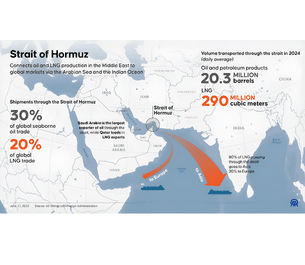
The ongoing Iran conflict is creating meaningful challenges for cargo moving through the Strait of Hormuz, with ocean freight in and out of the Arabian Gulf significantly limited as carriers adjust to heightened risk and operational constraints.
Air freight options are also constrained due to restricted airspace and increased demand, making it more difficult to secure capacity and maintain consistent transit times.
Rising tensions in the Middle East have driven energy prices higher, with disruptions around the Strait of Hormuz creating added uncertainty for fuel supply.
These increases are directly impacting shipping and transportation, leading to higher freight costs and added operational challenges for companies moving cargo through the region.


The U.S. Supreme Court ruling invalidating IEEPA-based tariffs returns authority to Congress, with Section 122 tariffs of up to 15% now in place.
Recent court order expands refund eligibility to include IEEPA tariffs imposed on imports from Brazil (40%) and India (25% Russian oil tariffs). These refunds will be managed through CBP’s upcoming CAPE functionality within ACE, which will require complete and accurate entry submissions.
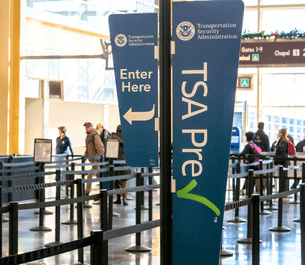
The Airforwarders Association has highlighted that the ongoing DHS and TSA shutdown is putting a strain on airport security staffing, which could start affecting cargo handling and airside operations.
This situation creates additional challenges for planning and reliability, making it important for shippers to stay informed and allow extra flexibility in their logistics schedules. Staying ahead with updates can help prevent costly delays.
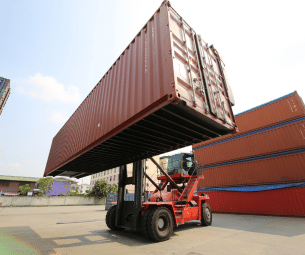
Once a shipment arrives on site, efficient yard operations, including staging, trailer moves, and dock coordination, are essential for keeping freight flowing smoothly.
Our tailored solutions help manage these critical processes, reducing delays and costs while supporting seamless supply chain planning for cargo owners and logistics teams. This ensures shipments move efficiently from arrival to delivery.
While the ongoing conflict continues to disrupt key shipping lanes, service to certain Red Sea ports remains available, and we have been successfully moving cargo to these destinations.
This evolving situation continues to reshape global ocean freight dynamics and underscores the importance of flexible planning amid ongoing rerouting and market uncertainty.

- Importers must submit a complete and accurate declaration of all IEEPA entries in ACE/CAPE.
- CBP will audit submissions for accuracy and may perform additional reviews for compliance with Section 232, AD/CVD, valuation, and origin.
- Refunds will be issued with interest, in alignment with the standard liquidation cycle.
- CBP will rely heavily on automated ACE validations and recalculations.
- Entries from Brazil and India are now included in refund eligibility per the latest court order.
Importers submit an accurate listing of affected entries in ACE/CAPE.ACE validates entries and recalculates duties excluding IEEPA tariffs (plus interest).
- ACE/CAPE validates entries and recalculates duties, excluding IEEPA tariffs.Entries are automatically liquidated or reliquidated.
- CBP reviews submissions, processes refunds, and audits for compliance with other trade measures.
- The U.S. Treasury issues payments electronically.
- Compile and Review Entry Information: Track all IEEPA-related entries, including those from Brazil and India, and monitor liquidation timelines.
- Establish an Automated Commercial Environment Account: Ensure your ACE portal is active and properly configured for CAPE submissions.
- Evaluate Protest Options: Consider filing protests for entries approaching the end of the 180-day protest period. Consult trade counsel to determine the best approach for your business.
- Consult on Compliance: Review entries for Section 232, AD/CVD, valuation, and origin requirements to ensure accurate and complete submissions.
- Entry Audits & Risk Reviews: We help you identify potential exposure under IEEPA, Section 232/301, and AD/CVD before CBP begins its review.
- ACE & Data Readiness Support: Guidance on setting up ACE, preparing reports (including ES-003 equivalents), and ensuring your data is ready for refunds.
- Protest Filing & Documentation: Support on related-party transactions, transfer pricing, and bill-of-material assessments to help ensure entries are accurate and compliant.
Have questions about how these tariff changes affect your shipments? Our team of experts is ready to provide guidance, please Contact Us anytime.