


New orders for U.S. manufactured goods increased 0.9%, with particularly strong growth in civilian aircraft and parts orders.
The results indicate continued investment across aerospace, machinery and other industrial sectors.
Taiwanese companies announced plans for a $20 billion in U.S. investment, adding to major semiconductor expansion projects.
The continued shift toward North American production could create new supplier opportunities while changing the logistics requirements for technology components.

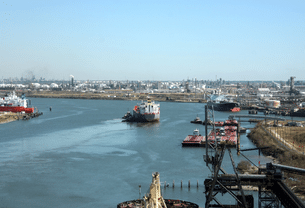
A new Port Houston study estimates that activity connected to the Houston Ship Channel supports nearly $1 trillion in U.S. economic value.
The development reinforces the importance of Gulf Coast gateways for energy, industrial, project and containerized cargo.
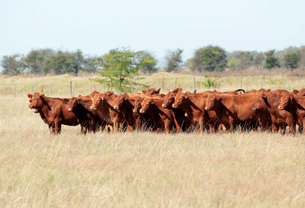
The United States and Mexico are preparing for the resumption of live cattle exports from Mexico under new inspection and identification requirements.
Agricultural supply chains is influenced by inspection, documentation and animal-health requirements.
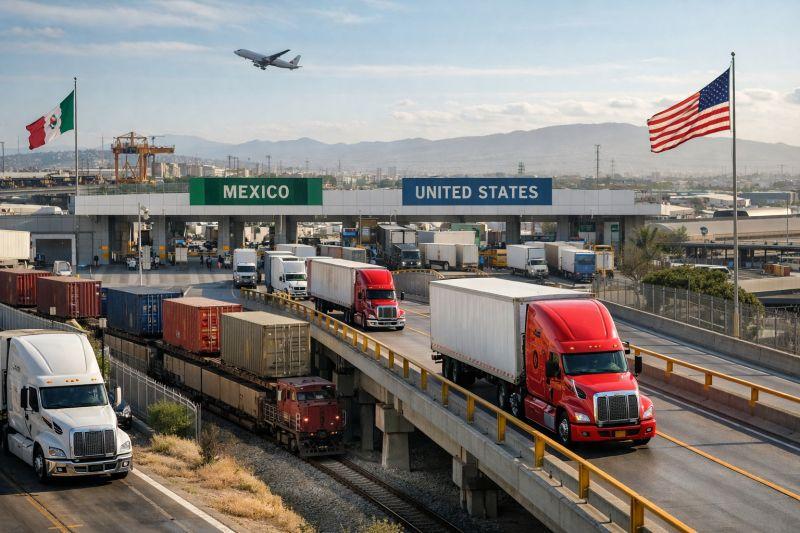
The United States, Canada, and Mexico entered the USMCA’s mandated joint review process this summer.
Companies relying on preferential USMCA treatment may want to stay close to updates as the review progresses over the coming months.
Trade regulations, customs requirements and global supply chain conditions continue to evolve. We’re highlighting the most relevant developments along with practical steps importers and exporters can take to keep shipments moving and remain prepared for upcoming changes.
- Section 338 Canada Tariffs – Modified Treatment: The 50% duty on Canadian alcohol, dairy, and motor vehicles took effect August 22. September 8 modifications adjusted which products remain subject to it (effective Sept 15), and separately excluded certain products from importation entirely (effective Sept 29).
-
Canada’s Counter-Tariffs on U.S. Exports: In response to Section 338, Canada imposed counter-tariffs on U.S. steel, aluminum, dairy, appliances, agricultural equipment, pulp and paper, plastics, and electronics, effective September 8, with rates on some existing counter-tariffs rising from 25% to 50%. Exporters into Canada should review whether their products are affected.
-
Polysilicon and Solar Derivative Products: A new Section 232 action establishes a 15% tariff on certain polysilicon derivatives, along with a minimum import price program for covered products, with an effective date of December 4, 2026.
- Unmanned Aircraft Systems: New measures apply to certain drones and components, with additional duties ranging from 25% to 100%, depending on the product and classification. Certain components will be subject to an additional 25% duty beginning February 9, 2027.
- CBP Form 5106 Enforcement: Beginning September 18, 2026, CBP may immediately void an IOR number if associated information is inaccurate or incomplete. Importers should verify their legal name, EIN/tax identification number, physical address and contact information before the deadline.
-
New CBP Import Disclosure Rulemaking: On September 2, CBP published an ANPRM seeking input on expanded supply-chain data requirements for importers, separate from Form 5106. Comments are open through December 1 (Docket No. USCBP-2026-1058).
- New beef tariff-rate quota opened September 1. CBP is administering an additional 300,000 metric tons of beef imports in three 100,000-metric-ton tranches, with the first tranche running September 1–30. Importers of qualifying products should review quota eligibility and entry requirements carefully

- Review classifications and duty exposure: Our Customs Brokerage & Compliance team can review HTS classifications, country of origin and applicable trade measures for products potentially affected by new tariffs or trade remedies.
- Validate Importer of Record information: We can help customers review the information associated with CBP Form 5106 and identify updates that may be needed before the September 18 enforcement date.
- Evaluate cross-border options: For companies moving goods between the U.S. and Mexico or Canada, our customs and cross-border teams can help evaluate documentation, eligibility for applicable trade programs and potential routing considerations.
- Build contingency plans around upcoming changes: We can help identify shipments, products and trade lanes that may be affected by upcoming regulatory changes and develop practical options for timing, routing, warehousing or transportation planning.
- Track and respond to the ANPRM comment period: We can help you evaluate the proposed disclosure requirements and prepare input during the open comment period ahead of the December 1 deadline.
When volatility impacts global trade lanes, from geopolitical shifts to disruptions across the Middle East and beyond, having the right logistics partner is critical. Our team develops proactive, agile transport strategies to keep your cargo moving, no matter the conditions.
Contact us to explore how we can strengthen your supply chain for what’s ahead.
As tariff and global trade conditions continue to evolve, we’re gathering customer insights to better understand the impact and how we can best support you.
Please take a moment to complete this brief survey.