
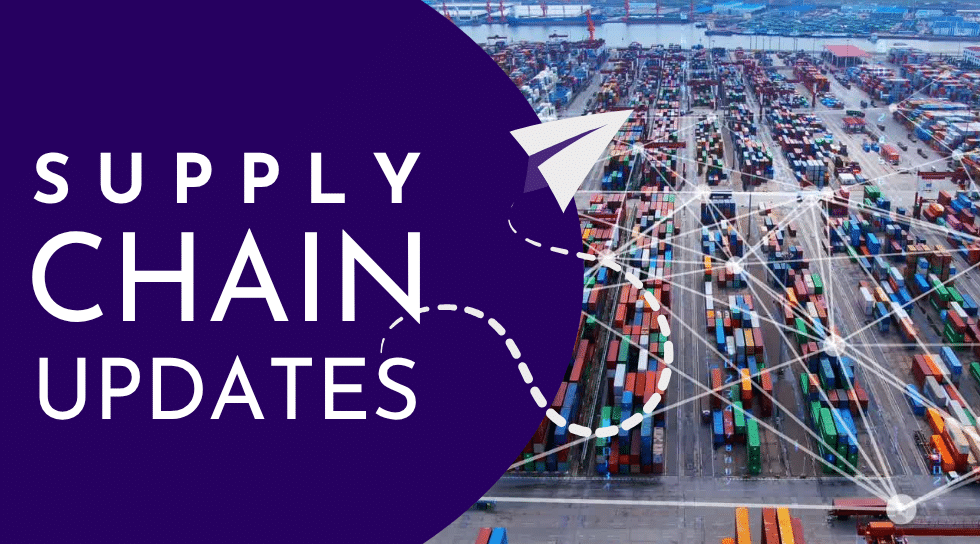
- Strengthened Customs Enforcement: The President signed Executive Order 14411, “Strengthening Customs Enforcement,” directing increased importer accountability, enhanced customs enforcement, and greater supply-chain transparency. The order provides the broader framework for several of the customs compliance changes outlined below.
- Customs Processing Fees Increase: The minimum and maximum Merchandise Processing Fees will increase for entries filed on or after October 1. The minimum will rise to $34.58, while the maximum will increase to $670.86. The 0.3464% fee rate remains unchanged.
- CBP Form 5106 Enforcement: CBP has begun enhanced enforcement of Importer of Record information submitted on Form 5106 and may immediately void an IOR number if the information on file is inaccurate or incomplete. Confirm your legal name, EIN, physical address, phone number, and email are current.
- Section 338 Canada Tariffs Updated: CBP recently revised the product scope of the 50% Section 338 additional duty on Canadian goods, adding 122 HTS classifications and removing others, including certain alcohol products. Review your HTS classifications to confirm current treatment.
- Canada Counter-Tariffs Now in Effect: Canada recently implemented new counter-tariffs (15%, 25%, or 50%, depending on product) on select U.S.-origin goods, covering steel and aluminum, dairy, appliances, agricultural equipment, pulp and paper, plastics, and electronics. U.S. exporters shipping into Canada should confirm whether their goods are affected.


September is tracking as the busiest import month of 2026, according to the NRF/Hackett Associates Global Port Tracker, elevated cargo volumes longer than initially projected.
Full-year imports are expected to reach approximately 25.7 million TEU, about 1% above 2025.
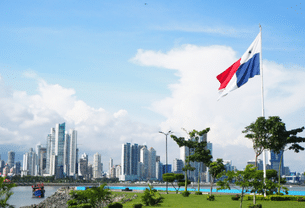
The Panama Canal Authority postponed a planned vessel draft reduction at the Neopanamax locks due to updated rainfall forecasts.
The Authority said keeping the current draft in place gives shippers more continuity for voyage planning.

The Federal Motor Carrier Safety Administration (FMCSA) has temporarily paused certain biennial update requirements during the transition to Motus.
Accurate carrier information remains important for coordinating shipments from the port or border to their final destination.
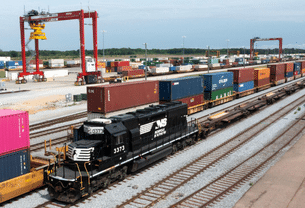
The Surface Transportation Board set a new procedural schedule for the proposed UP-Norfolk Southern merger, extending review into 2027 to allow a full environmental and competitive analysis.
Public comment hearings are expected to begin next spring.

Amazon announced plans to expand Prime Air drone delivery to nearly 500 U.S. cities and towns by the end of 2026.
While drone delivery remains focused on specific use cases, its highlights how automation transportation becoming part of the broader logistics landscape.
- Unmanned Aircraft System Duties in Effect: New Section 232 duties (10%–100%) on certain unmanned aircraft systems and components recently took effect, with an additional 25% duty on specified components scheduled to begin February 9, 2027.
- Polysilicon and Solar Derivative Products: A new Section 232 action establishes a 15% tariff on certain polysilicon derivatives, along with a minimum import price program for covered products, with an effective date of December 4, 2026.
- CBP Proposes Expanded Supply-Chain Disclosures: CBP recently issued an Advance Notice of Proposed Rulemaking seeking input on potential expanded importer supply-chain data requirements. Comments are due December 1.
- Additional Beef Tariff-Rate Quota Open: A temporary additional 300,000-metric-ton TRQ for qualifying lean beef trimmings is open on a first-come, first-served basis; the current tranche runs through September 30.
- Tariff classifications Review: Our Customs Brokerage & Compliance team can review HTS classifications, country of origin and applicable Section 338 measures to identify products that may be affected by recent changes.
- Customs Documentation & Entry Accuracy: Assist with reviewing and updating CBP Form 5106 information to help ensure Importer of Record details are complete, accurate, and current.
- Evaluate cross-border options: For companies moving goods between the U.S. and Mexico or Canada, our customs and cross-border teams can help evaluate documentation, eligibility for applicable trade programs and potential routing considerations.
- Regulatory Monitoring & Guidance: Monitor CBP updates, CSMS messages, government notices, and other regulatory developments to help customers stay informed about changes that may affect their shipments.
- Transportation & Customs Coordination: Coordinate with customers, customs brokers, and transportation teams to help manage documentation and shipment requirements as regulations change.
When volatility impacts global trade lanes, from geopolitical shifts to disruptions across the Middle East and beyond, having the right logistics partner is critical. Our team develops proactive, agile transport strategies to keep your cargo moving, no matter the conditions.
Contact us to explore how we can strengthen your supply chain for what’s ahead.
As tariff and global trade conditions continue to evolve, we’re gathering customer insights to better understand the impact and how we can best support you.
Please take a moment to complete this brief survey.