

Boeing’s recent acquisition signals a realignment in the aerospace supply chain.
Our global forwarding team is monitoring these developments to ensure aerospace customers can maintain smooth shipments of critical components.
China’s rare-earth shipments have picked up following trade talks and export licensing updates, helping to ease short-term supply constraint for electronics and EV minerals.
Companies should keep an eye on allocations and plan ahead. Our team makes sure critical materials get where they need to go. This helps prevent delays and keeps operations running smoothly.

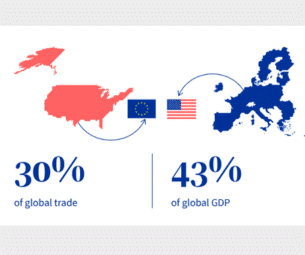
EU Council adopted negotiating mandates to implement tariff elements of the EU-U.S. joint statement, an important step toward tariff adjustments on certain industrial and food categories.
Importers and exporters should map their product lines against the proposed regulatory texts as they become available to ensure timely compliance.
Washington has moved forward with trade talks involving seven countries: Switzerland, Liechtenstein, Argentina, El Salvador, Ecuador, Guatemala, and South Korea.
The deals include tariff caps, MFN treatment, which ensures trading partners receive the same favorable terms offered to others, a 15% minimum tariff for South Korea, and reductions in Section 232 tariffs, all pending implementations.
Major manufacturers are reshaping their supply-chain leadership, such as appointing new global chief supply-chain officers, signaling a focus on resilience and sourcing strategy.
Monitoring these changes helps us anticipate shifts and plan for potential supply chain changes.
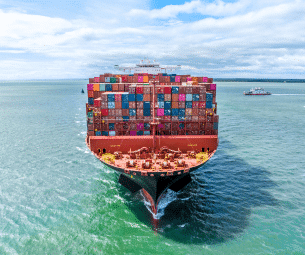
Recent logistics data shows U.S. containerized imports declined 7.8% year-over-year in November, including a nearly 20% drop in volumes from China.
For our customers, shifts like these can affect vessel capacity and lead-time planning. We monitor changes in real time so we can advise you on routing, timing, and any adjustments needed to keep your supply chain moving.