
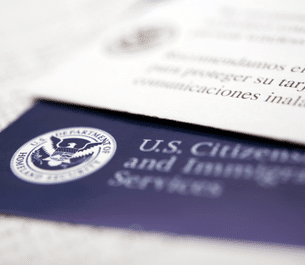
Recent reporting indicates that tariff refund eligibility may expand to cover a broader range of entries as U.S. Customs and Border Protection continues refining its refund processing framework.
While this creates additional opportunities for importers to recover duties, the process remains highly dependent on accurate entry data and compliant documentation.

Holiday shipping periods continue to demonstrate how quickly domestic freight capacity can tighten, often resulting in delays and service disruptions across U.S. networks.
These recurring short-term pressures highlight broader capacity planning challenges and the importance of proactive strategies, flexible routing, and shipment visibility.
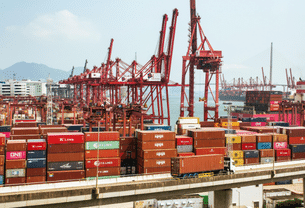
Ongoing geopolitical uncertainty in the Middle East is contributing to increased volatility in global container shipping rates, with carriers reporting higher costs driven by fuel, insurance, and routing risk.
These ongoing fluctuations highlight the need for adaptable routing strategies, and visibility to help manage changing ocean freight conditions.

Active industry discussions are emerging around the potential reform or repeal of the Jones Act, a long-standing U.S. maritime regulation governing domestic port-to-port shipping.
While no immediate changes are expected, the topic reflects broader efforts to examine structural cost drivers in U.S. supply chains and their long-term impact on freight efficiency and competitiveness.
- Section 301 Forced Labor Trade Action (60 Economies): The U.S. Trade Representative has proposed additional duties of 10%–12.5% on imports from 60 trading partners following findings related to forced labor enforcement gaps. The proposal is open for public comment through early July before any final decision is made.
- Section 232 Tariff Adjustments (Industrial Inputs): A presidential proclamation updates Section 232 tariffs on steel and aluminum products, revising coverage for certain goods and expanding derivative product scope in select areas.
- Ongoing Trade Agreement Uncertainty (EU–U.S. Framework): Discussions continue around enforcement expectations under the existing tariff framework, with stakeholders emphasizing alignment on compliance timelines and forced labor enforcement standards.
- USMCA Policy Tensions Persist: Most proposed tariff actions remain in review stages, with hearings and comment periods scheduled through early July, meaning additional adjustments remain possible.
- Tariff Classification & HS Code Validation Support: We assist in reviewing product classifications to ensure correct tariff application and reduce risk of misclassification delays or penalties.
- Trade Lane & Routing Optimization: Our operations team evaluates alternative sourcing and routing strategies to help minimize disruption from shifting tariff or regulatory conditions.
- Customs Brokerage & Compliance Monitoring: We provide real-time updates on regulatory changes impacting clearance requirements, helping ensure smoother customs processing across key trade lanes.
- Proactive Shipment Visibility & Exception Management: Customers receive continuous shipment monitoring with early alerts on potential delays tied to regulatory changes, port congestion, or documentation holds.
- When volatility impacts global trade lanes, from geopolitical shifts to disruptions across the Middle East and beyond, having the right logistics partner is critical. Our team develops proactive, agile transport strategies to keep your cargo moving, no matter the conditions.
Contact us to explore how we can strengthen your supply chain for what’s ahead.
As tariff and global trade conditions continue to evolve, we’re gathering customer insights to better understand the impact and how we can best support you.
Please take a moment to complete this brief survey.