
India and the U.S. are reportedly nearing a trade agreement in which tariff relief under Section 301 measures is a key sticking point in negotiations.
The potential pact could ease select tariff pressures on Indian exports to the U.S., supporting improved bilateral trade flows while reshaping sourcing considerations in key manufacturing and industrial sectors.
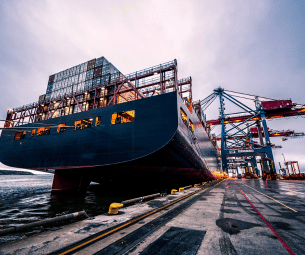

Ocean carriers are delaying annual contract negotiations as uncertainty around demand and pricing persists ahead of peak season, signaling expectations for a more muted shipping period than usual.
The trend reflects softer cargo demand and ongoing rate volatility, which could ease capacity constraints but also increase short-term uncertainty for global supply chains.
The U.S. is initiating a public comment process to determine which Chinese goods may qualify for tariff reductions under a broader U.S.–China framework covering roughly $30B of non-strategic imports.
The move reflects a shift toward a product-specific approach to tariff policy, while maintaining higher tariff levels on China compared to other trading partners.
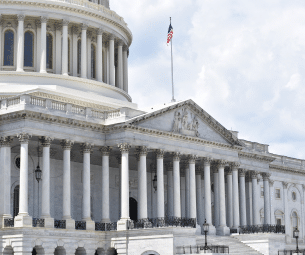

Canada is advancing new legislation to modernize and strengthen supply chain oversight, improving transparency and regulatory alignment across cross-border trade flows.
The initiative is expected to impact compliance requirements and operational planning for importers in North American supply chains, as Canada seeks greater visibility and control across key trade corridors.
- China Tariff Reductions Under Consideration: The U.S. and China are working toward reciprocal tariff reductions on roughly $30B of goods on each side, signaling a more managed, negotiated trade approach.
- Ongoing Tariff Refund Processing Continues: U.S. Customs and Border Protection continues processing tariff refunds following court rulings invalidating prior tariff programs, with over $20B already issued and significant additional claims still in backlog.
- European Union signals tighter controls on imports: The EU is strengthening trade defense measures and evaluating additional safeguards and quotas, particularly in sectors exposed to rising imports and China-linked supply chain risk.
- USMCA Policy Tensions Persist: Ongoing U.S.–Mexico discussions under the USMCA, the North American trade agreement, are focused on tightening rules of origin and regional content requirements in automotive and industrial supply chains, which could impact duty eligibility, sourcing strategies, and cross-border cost structures for importers.
- Customs readiness & compliance management: We help you navigate evolving tariff structures, USMCA rules-of-origin requirements, and EU trade defense measures to ensure full compliance and reduced risk exposure.
- Tariff recovery and refund support: We identify and pursue eligible recovery opportunities linked to prior tariff rulings and ongoing CBP refund processing backlogs to improve cost recovery outcomes.
- Strategic sourcing and routing guidance: We support supply chain adjustments in response to shifting tariff policies, regional trade tensions, and enforcement trends to optimize cost and flow.
- Flexible transportation planning: We help manage volatility in transit times, capacity constraints, and cost impacts driven by tariff-related trade shifts.
- Proactive trade intelligence: We keep you informed of emerging policy changes that may affect landed cost, classification, and cross-border movement decisions.
When volatility impacts global trade lanes, from geopolitical shifts to disruptions across the Middle East and beyond, having the right logistics partner is critical. Our team develops proactive, agile transport strategies to keep your cargo moving, no matter the conditions.
Contact us to explore how we can strengthen your supply chain for what’s ahead.
As tariff and global trade conditions continue to evolve, we’re gathering customer insights to better understand the impact and how we can best support you.
Please take a moment to complete this brief survey.