
- Section 301 Forced-Labor Tariff Measures: New Section 301 measures resulting from Forced Labor Import Prohibition (FLIP) investigations remain in effect, establishing additional duties of 10% or 12.5% for covered economies, subject to applicable exclusions and exceptions. Importers should continue reviewing product classifications, country of origin, and applicable exclusions.
- Section 232 Pharmaceutical Measures – United Kingdom: New Section 232 pharmaceutical measures establish a 10% duty on qualifying patented pharmaceutical products from the United Kingdom. Generic pharmaceuticals remain exempt from additional duties. Importers should review product classifications, country of origin, and Chapter 99 reporting requirements to ensure compliance.
- New Product-Specific Tariff Measures: New trade measures are being introduced for specific product categories. A four-year tariff-rate quota on certain quartz surface products is scheduled to take effect August 15, while new Section 232 measures covering polysilicon and certain derivatives establish minimum import prices and an additional 15% duty beginning December 4.
- CBP Post-Summary Correction Payments: CBP’s updated Post-Summary Correction procedures recently took effect. Duty, tax and fee increases resulting from a PSC must now be paid electronically through ACH, making it important for importers to confirm that their ACE and ACH payment information is current.
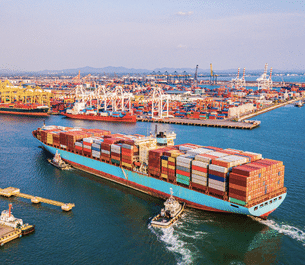
U.S. container imports reached approximately 2.5 million TEUs in July, making it the fourth-highest July volume on record.
Imports remained well above pre-pandemic levels, highlighting the importance of flexible transportation and inventory planning as businesses adjust to rapidly evolving global trade and changing trade and sourcing conditions.
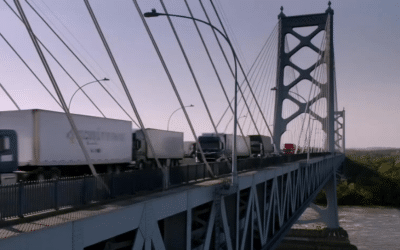
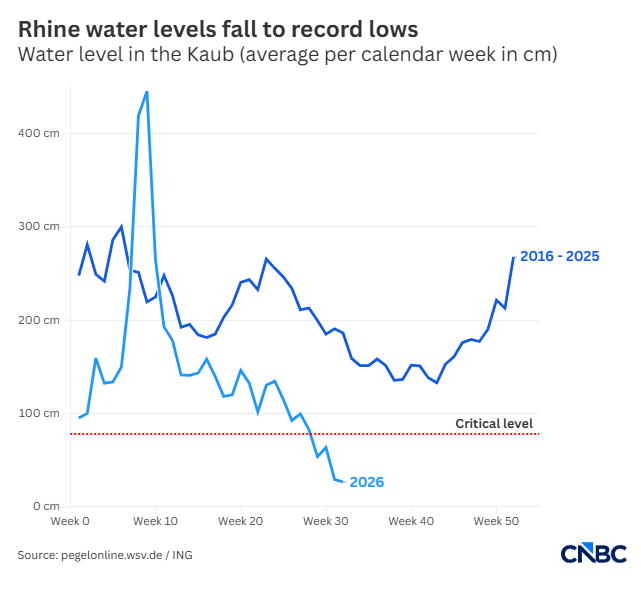
Low water levels on the Rhine and Danube rivers are creating additional planning considerations for companies that rely on Europe’s inland waterways to move goods and industrial materials.
The conditions highlight the importance of monitoring waterway accessibility and maintaining flexible transportation plans when inland routes are affected by seasonal conditions.

Demand associated with artificial intelligence infrastructure is becoming an important driver of air cargo activity, particularly for semiconductors, processors, and related technology components.
The trend is creating additional demand along key Asia–North America and Asia–Europe technology supply chains and reinforces the importance of planning.
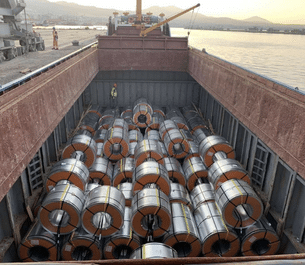
The U.S. Commerce Department has proposed Section 232 duties on 14 additional steel, aluminum, and copper derivative products, including products such as tanker trailers, semi-trailers, and floor safes.
Importers should monitor as it moves through the rulemaking process and review product classifications to assess potential tariff impacts.

The Port of Virginia has added a direct rail connection to Indianapolis, allowing containers to move into the central Indiana market without the previous routing through Chicago and subsequent truck movement.
The development highlights how expanding intermodal networks can give shippers additional options when evaluating inland transportation routes.
- Customs Classification & Compliance Support: Help review classifications, country-of-origin information, and applicable tariff measures to identify potential compliance considerations before entry.
- Documentation & Entry Accuracy: Support customers in ensuring commercial invoices, product descriptions, classifications, and other required documentation are complete and accurate to help minimize avoidable delays or corrections.
- Regulatory Monitoring & Guidance: Keep customers informed about relevant tariff, customs, and trade changes that may affect their products or upcoming shipments, helping them plan ahead for new requirements.
- Integrated Transportation & Customs Coordination: Coordinate transportation and customs brokerage activities for complex or time-sensitive shipments, helping customers incorporate compliance requirements into their logistics planning from the start.
When volatility impacts global trade lanes, from geopolitical shifts to disruptions across the Middle East and beyond, having the right logistics partner is critical. Our team develops proactive, agile transport strategies to keep your cargo moving, no matter the conditions.
Contact us to explore how we can strengthen your supply chain for what’s ahead.
As tariff and global trade conditions continue to evolve, we’re gathering customer insights to better understand the impact and how we can best support you.
Please take a moment to complete this brief survey.