
- Section 338 Canada Tariffs Now in Effect: The additional 50% duties on certain Canadian alcoholic beverages, dairy products, and motor vehicles are now in full effect, following a temporary suspension.
- Polysilicon and Solar Derivative Products: A new Section 232 action establishes a 15% tariff on certain polysilicon derivatives, along with a minimum import price program for covered products, with an effective date of December 4, 2026.
- Unmanned Aircraft Systems: New tariffs on drones and UAS components establish duties of up to 100% on larger or thermal-imaging-equipped drones and up to 25% on smaller drones, with reduced rates for several allied countries. Initial duties take effect September 3.
- CBP Form 5106 Enforcement: Beginning September 18, 2026, CBP may immediately void an IOR number if associated information is inaccurate or incomplete, making it important for importers to review their records now.
View the latest Tariff Information:

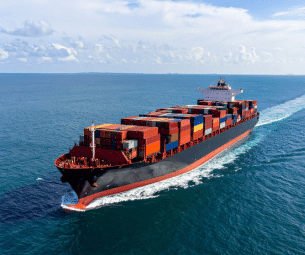
Ocean carriers continue to adjust capacity through blank sailings as they manage vessel schedules and changing demand across major trade lanes.
These adjustments can influence availability and schedules, making it important to monitor trends when planning shipments.
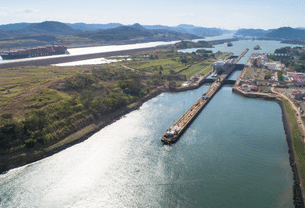
The Panama Canal marked 112 years of operation this month, highlighting its continued role in connecting major global trade routes.
The Canal continues investing in long-term infrastructure and water sustainability while managing current water conditions and vessel draft requirements.
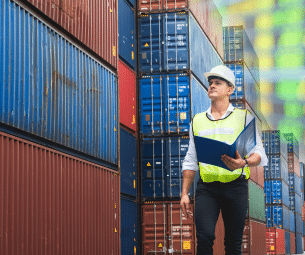
U.S. import volumes at major ports rose 13.2% year over year in recently as retailers built inventory ahead of the holiday season.
Forecasts now point to lower import volumes in July and August, suggesting that this year’s peak shipping activity may be occurring earlier than the traditional fall peak.
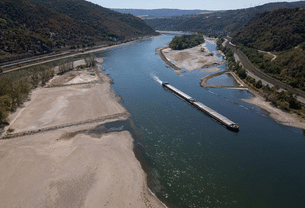
Low water levels on the Rhine are creating challenges for cargo movement across Germany.
This highlights the importance of monitoring waterway conditions and maintaining flexibility when planning shipments through Northern Europe.

U.S. Customs and Border Protection is expanding the use of artificial intelligence and data analytics to identify tariff evasion and inconsistencies in global trade activity.
This reinforces the importance of accurate country-of-origin information, product classifications, and supporting documentation.
- Tariff Classification & Country-of-Origin Review: Help review product classifications, country-of-origin information, and applicable tariff measures for shipments.
- Customs Documentation & Entry Accuracy: Support customers in ensuring invoices, product descriptions, classifications, country-of-origin details, and required documentation are complete and accurate before entry.
- Regulatory Monitoring & Guidance: Monitor changes to tariffs, customs requirements, and trade measures to help customers understand potential impacts and prepare for upcoming requirements.
- Transportation & Customs Coordination: Provide proactive tracking alerts tied to tariff changes, port conditions, and weather to help customers plan shipments and respond to changing conditions.
When volatility impacts global trade lanes, from geopolitical shifts to disruptions across the Middle East and beyond, having the right logistics partner is critical. Our team develops proactive, agile transport strategies to keep your cargo moving, no matter the conditions.
Contact us to explore how we can strengthen your supply chain for what’s ahead.
As tariff and global trade conditions continue to evolve, we’re gathering customer insights to better understand the impact and how we can best support you.
Please take a moment to complete this brief survey.