
- Certain Canadian Products Now Excluded From Importation: Alcoholic beverages, dairy products, and motor vehicles covered by Presidential Proclamations 11061, 11062, and 11063 are excluded from importation into the United States.
- Section 232 Pharmaceutical Duties Expand to All Companies: Section 232 pharmaceutical duties apply to products of companies beyond those previously listed in Annex III. CBP also issued updated filing guidance and technical corrections to the applicable HTSUS provisions.
- U.S.–China “30-for-30” Tariff Reduction Framework: The U.S. and China have identified product lists representing roughly $30 billion of trade on each side for consideration of reduced tariff treatment.
- CAPE Phase 3 IEEPA Refunds Now Open: CBP has launched Phase 3 of CAPE, for certain finally liquidated entries subject to Court of International Trade reliquidation orders. Eligible importers may participate if they submitted a valid Importer of Record number within the required timeframe.
- FDA Food Facility Registration Renewals Due: The FDA biennial renewal window for food facility registrations is currently open through December 31, 2026. Importers of food products should confirm that their foreign suppliers renew on time to help avoid holds on incoming shipments.
Importers are exploring port-to-inland strategies to diversify transportation options and reduce reliance on congested corridors.
Evaluating alternate inland routes can help improve cargo flow, manage transportation constraints, and build more flexibility into supply chain planning.


Global air cargo demand increased 4.4% year over year, with North American carriers leading all regions.
For importers moving time-sensitive or high-value shipments, planning ahead and having flexible transportation options can help keep cargo moving.
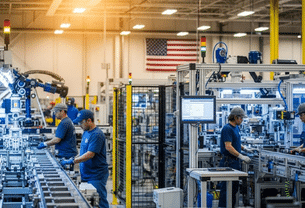
U.S. manufacturing continued to grow in September, with the ISM Manufacturing PMI reaching 54.5%, marking the ninth consecutive month of expansion.
New orders also increased, while manufacturers continue to keep an eye on tariffs and longer lead times.

The International Maritime Organization is highlighting the growing importance of digitalization and cybersecurity across the global shipping industry.
As supply chains become more connected, better visibility and timely information can help businesses respond to change.
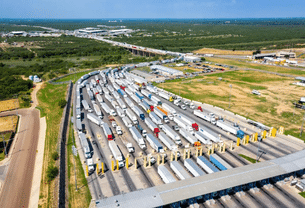
U.S.–Mexico trade continues to grow as manufacturers expand nearshoring and strengthen North American supply networks.
Cross-border freight volumes remain strong, particularly in industries such as electronics and automotive.
- Trade Compliance & Classification: Our teams can review classifications, documentation, and applicable trade requirements to help support accurate and compliant shipments.
- Customs Documentation & Entry Accuracy: We can assist with reviewing and updating CBP Form 5106 information to help ensure Importer of Record details are complete, accurate, and current.
- Customs & Compliance Support: We can help evaluate documentation, applicable trade programs, and changing customs requirements to support smoother clearance.
- Flexible Logistics Planning: When capacity, routing, or shipment requirements change, we can help evaluate transportation options and adjust logistics plans.
- End-to-End Coordination: Our teams can coordinate with customers, customs brokers, and transportation providers to help manage requirements from origin through delivery.
When volatility impacts global trade lanes, from geopolitical shifts to disruptions across the Middle East and beyond, having the right logistics partner is critical. Our team develops proactive, agile transport strategies to keep your cargo moving, no matter the conditions.
Contact us to explore how we can strengthen your supply chain for what’s ahead.
As tariff and global trade conditions continue to evolve, we’re gathering customer insights to better understand the impact and how we can best support you.
Please take a moment to complete this brief survey.